
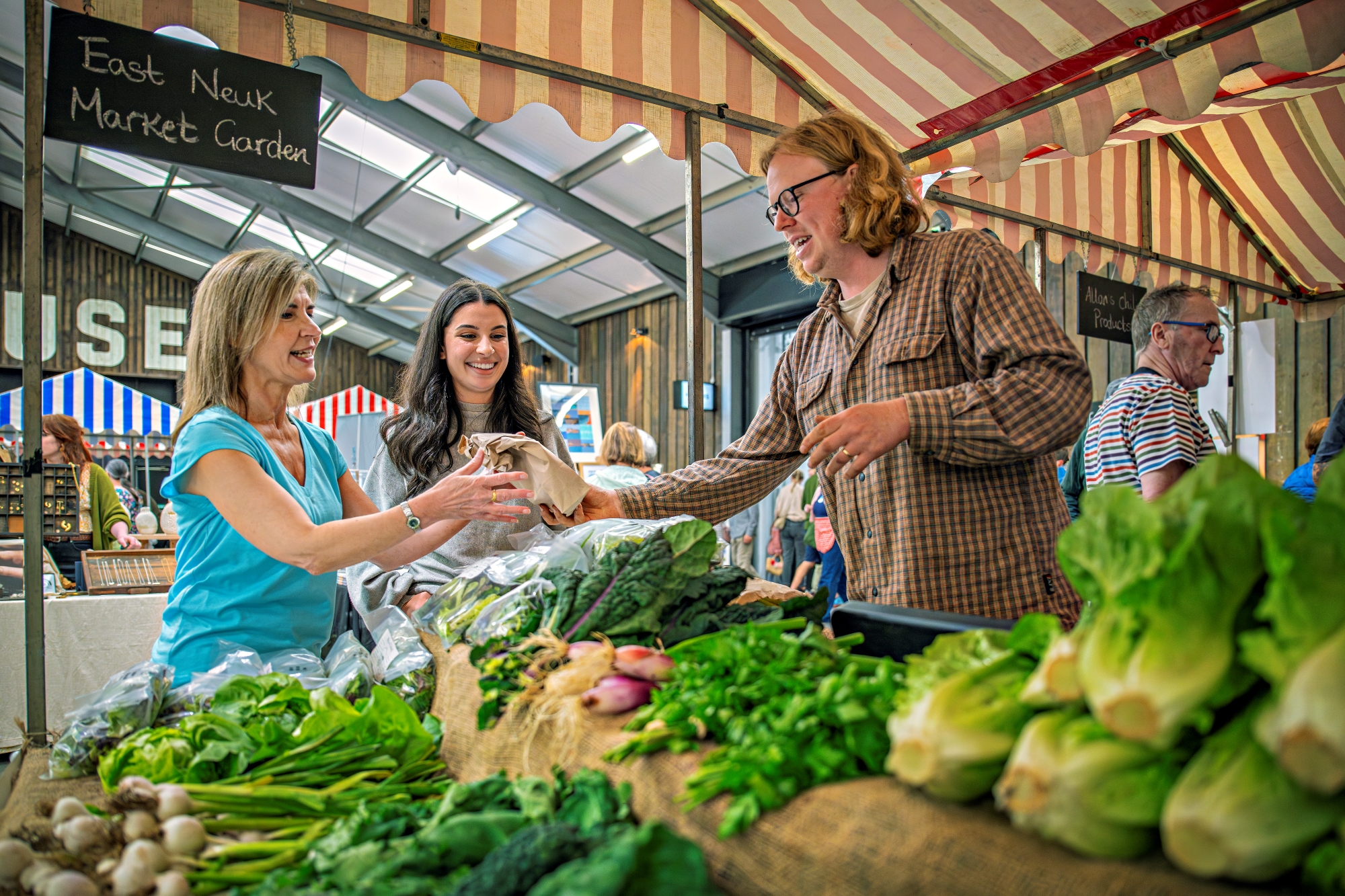
Are you a small or medium-sized business based in Scotland? Do you have five minutes?
In 300 seconds, this guide will cover the basics of net zero, what it means for SMEs and what you can start to do about it – today.
Ready? Start the clock...
Contents
What is net zero?
‘Net zero’ describes the situation where we are no longer adding greenhouse gases, like carbon dioxide, to Earth’s atmosphere.
This matters because our emissions of these gases, mainly from burning coal, oil and gas, have already heated the planet to dangerous levels.
The ‘net’ part is important. It will be very difficult to reduce all emissions to zero, so the remaining gases will need to be ‘balanced out’ by removing an equal amount from the atmosphere.
Many countries and companies have adopted targets to reach net zero by a certain date.
In 2019, Scotland’s parliament passed a law that commits Scotland to becoming a “net-zero society by 2045”. Because of this, a lot is changing for businesses.
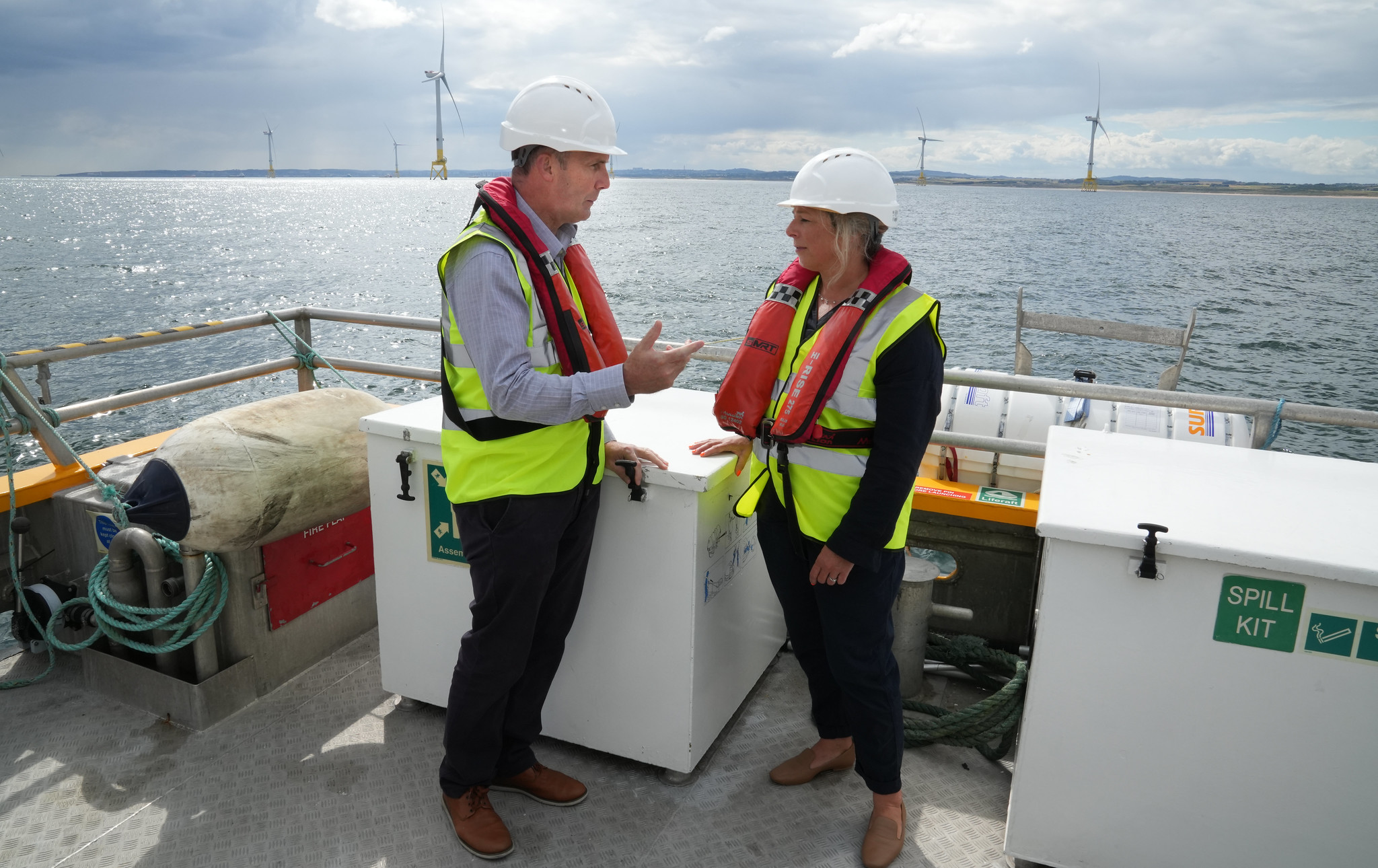
Former Net zero & energy secretary Michael Matheson visiting the European Offshore Wind Deployment Centre in Aberdeen Bay, August 2022 (Image: Scottish Government)
What does net zero mean for SMEs?
Well, a lot. So let’s break it down.
First, it is fast becoming standard practice to have both a company carbon footprint and net-zero strategy in place.
Many large corporations and public sector bodies now ask their suppliers for a carbon footprint or climate strategy in order to secure contracts. Business support agencies, like Scottish Enterprise, require a “credible plan” to reach net zero by 2045 to access certain grants.
Gas boilers are already banned in new buildings, while low-emission traffic zones have been rolled out in Aberdeen, Glasgow, Edinburgh and Dundee.
Third, while it’s often overlooked, becoming a net-zero society will mean huge savings for businesses. This article in Carbon Brief summarises it well:
“The lower costs of driving electric cars, heating well-insulated homes and cutting reliance on gas are expected to save people money, offsetting most of the cost of net-zero investments.”
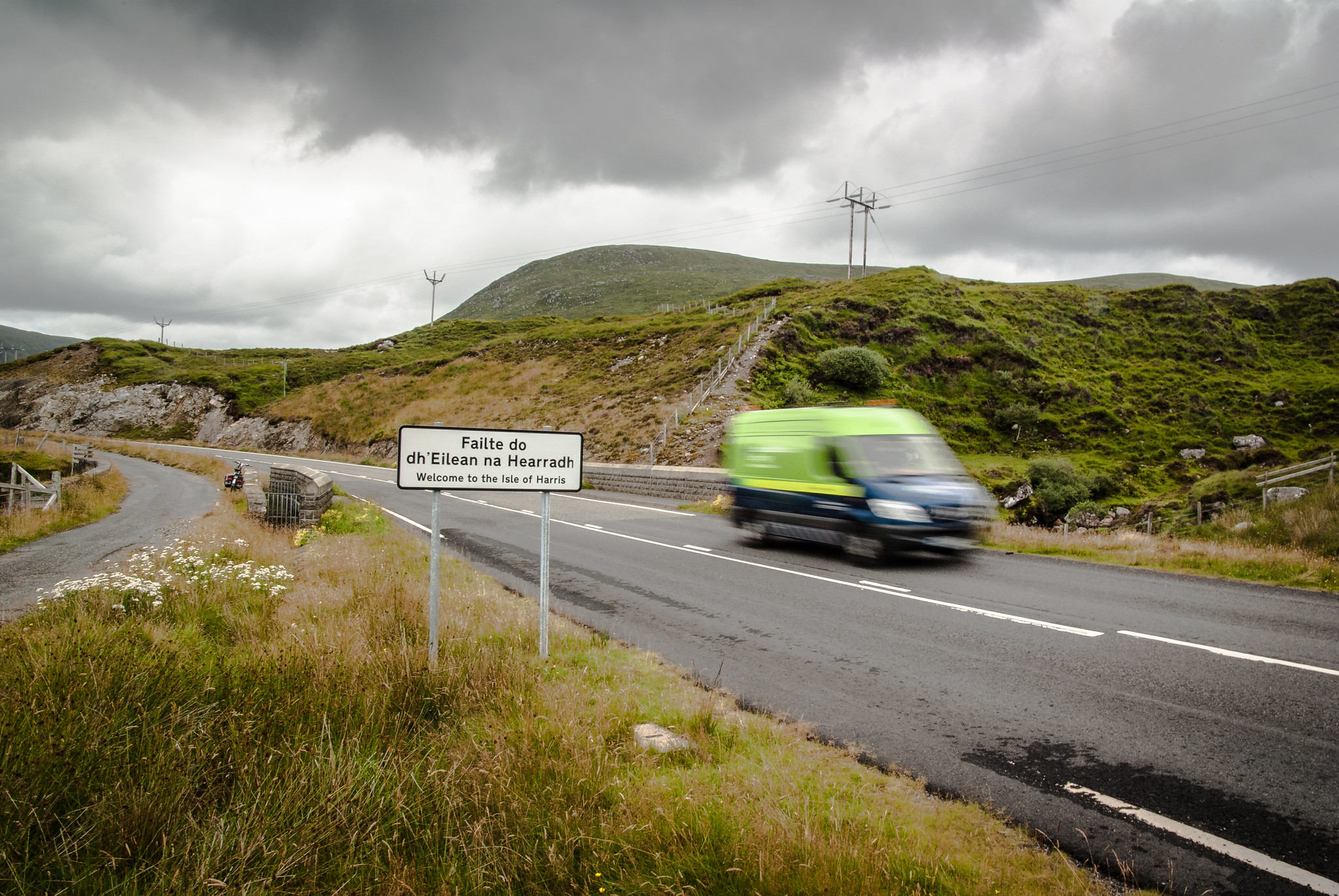
A delivery van in Harris. The lower cost of running a fleet of electric vehicles can offset the initial investment (Image: Seán Ó Domhnaill)
How to measure your carbon footprint
A carbon footprint is a measure of the total greenhouse gases emitted directly and indirectly by your business over one year, measured in tonnes of CO2 equivalent (tCO2e).
It might seem daunting to work this out in-house. Indeed, many consultants charge for this service!
But most of the work is collecting basic data on your activities, which many businesses already have to hand. The rest is a simple calculation:
Let’s get started.
1: Set your timeframe
Your organisational carbon footprint is the total greenhouse gases emitted in one year. This can be a calendar year, the financial year, or any 12-month period.
For this example, let’s go with January-December 2023.
2: Set your boundary
At the start, you don’t need to include absolutely everything in your carbon footprint.
Setting a boundary is a way to prioritise which emission sources to measure, based on what is practical for your business right now. Better to start small than not at all!
You are required to measure your Scope 1 and Scope 2 emissions (watch this quick video for more about emissions scopes). For SMEs in Scotland, this typically means:
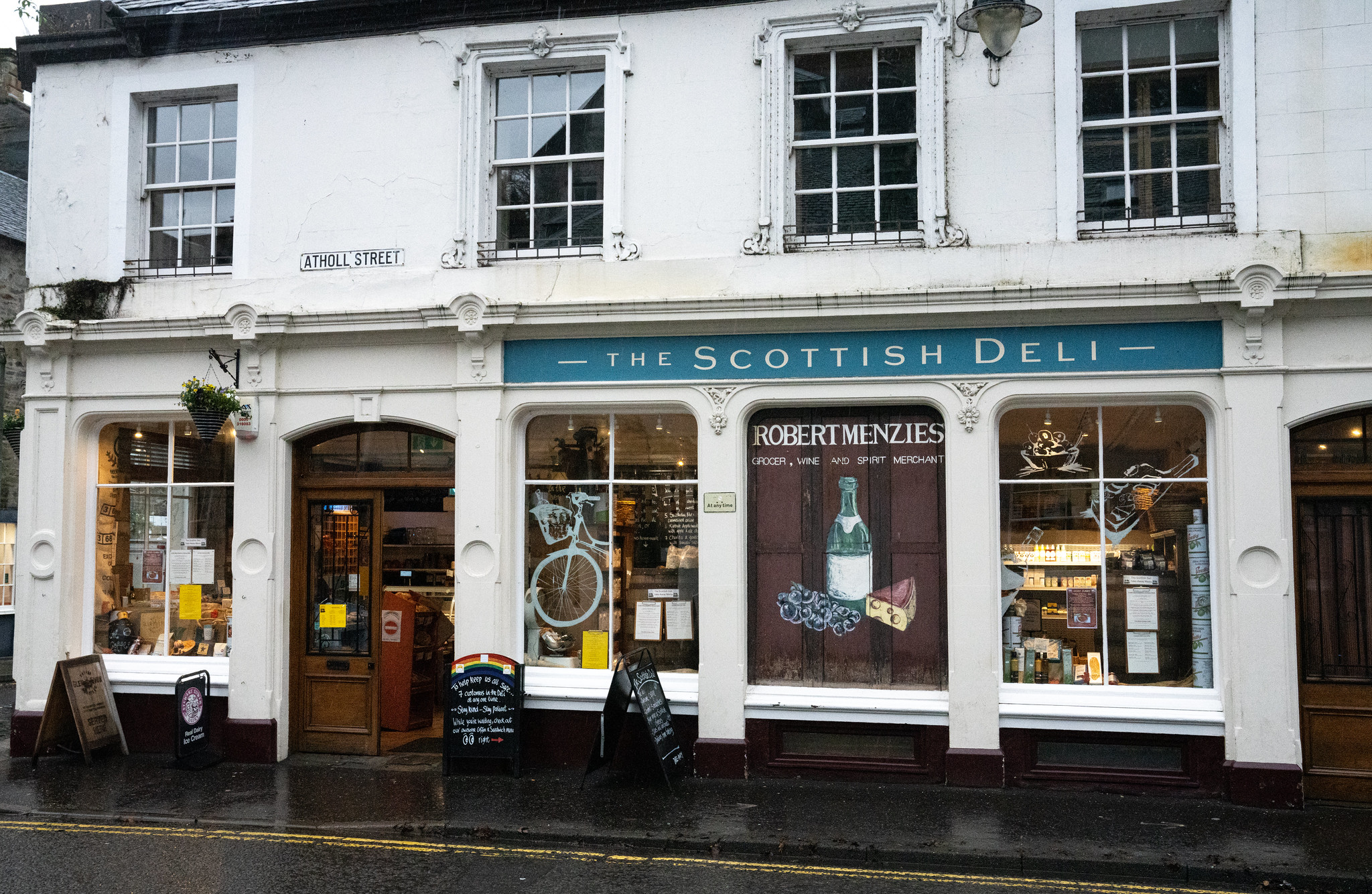
The Scottish Deli in Dunkeld, Perth and Kinross. For many small businesses in Scotland, heating their premises and supplying it with power are the biggest sources of direct emissions (Image: Scottish Government)
3: Find your data
This one’s not as technical as you might think!
Let’s focus on gas, electricity and vehicle fuel for now. Note down how much of each of these your business consumed over the 12-month period.
It’s likely your business already collects this information for auditing purposes. If you get stuck, call up your energy provider as they should have a record of your gas and/or electricity consumption.
If you can’t find these figures, note down the money your business spent on each of these instead.
4: Calculate your emissions
The simplest way to do this is to use a free online tool provided by some banks and public bodies.
For example, try SME Climate Hub's Small Business Carbon Calculator.
Enter the data you collected for your gas, electricity and vehicle fuel consumption (or spend). The calculator uses unique ‘emissions factors’ for each of these activities, published by the UK government each year, to estimate the greenhouse gases produced.
And that’s it!
For a detailed walk-through of this process, read our full guide here: How to create a carbon footprint (PDF)
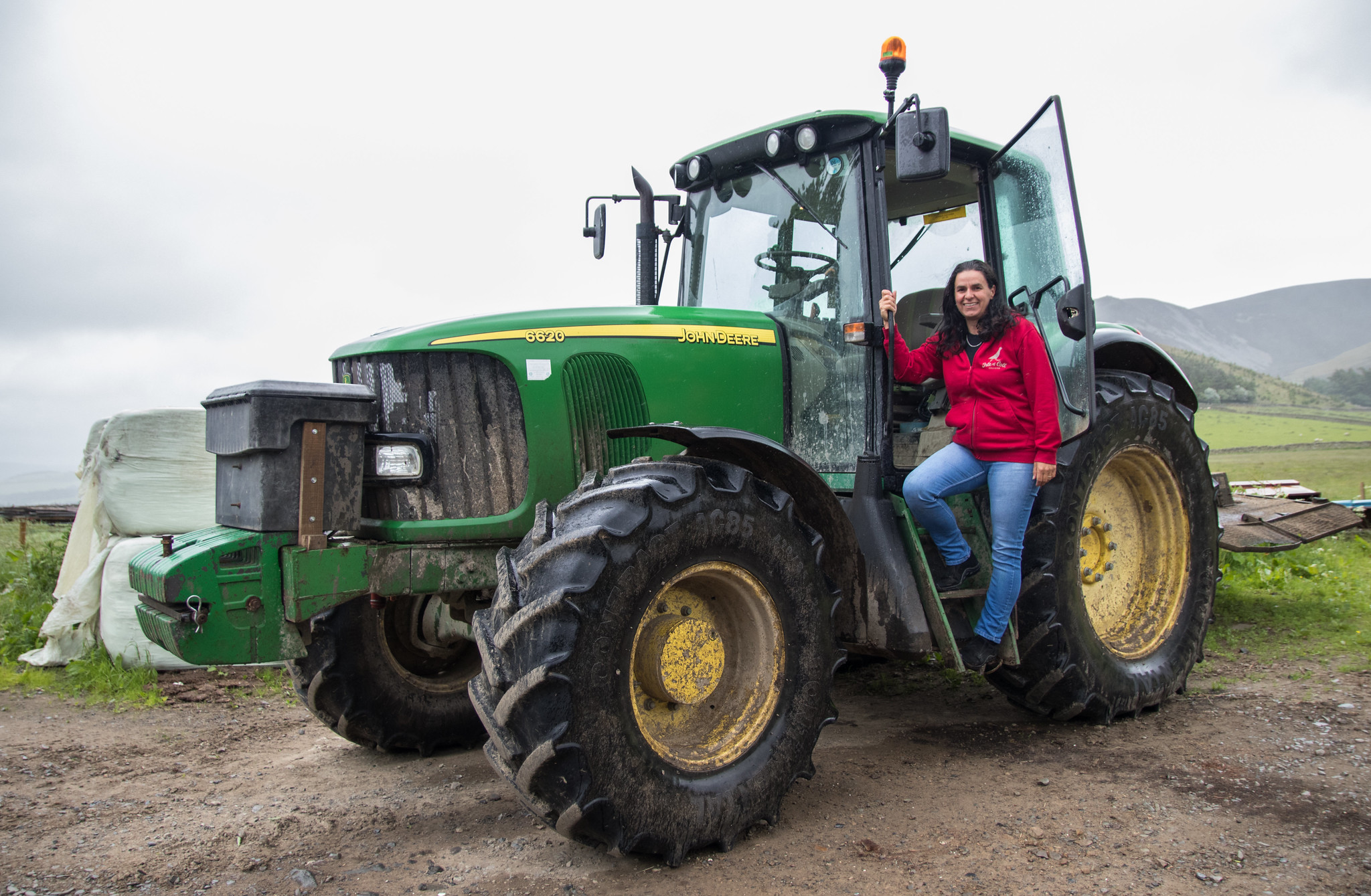
Katherine Rowell, a sheep and cow farmer on the Isle of Coll (Image: Barrie Williams / Scottish Government)
How to create a net-zero strategy
Don’t be put off by the name. Whether it’s a ‘climate strategy’, ‘net-zero action plan’ or ‘carbon reduction plan’ - all these broadly mean the same.
It’s best to keep it simple and not get bogged down creating a lengthy document. The actions you take matter more than any PDF or PowerPoint presentation!
We recommend you include the following sections:
If you’d like a starting point, we’ve created a free Carbon Reduction Plan template, designed to comply with the Greenhouse Gas Protocol international standard.
Download it here: Climate strategy template.pptx [link will be updated soon]

Using a thermal scanner at a food distribution centre to find areas where heat is being lost (Image: Walmart)
Ways for SMEs to cut emissions
It can sometimes seem like new technology is the only way to reduce your company’s footprint.
And while solar panels, heat pumps and electric cars are necessary for Scotland to reach net zero, you can start by reducing your demand for energy and fuel first.
Try these quick wins to reduce your emissions and costs:
-
 Turn off the lights – It's nothing new, but it's solid advice. Businesses still waste millions of pounds each year on non-essential lighting. Make ‘switching off’ a habit in your workplace.
-
Switch to LEDs – If you still have halogen bulbs, you are probably wasting between £200-400 per year on inefficient lighting, depending on the size of your premises.
-
 Cut out draughts – A typical house in the UK loses 10% of its heat to draughts, and that can be as high as 20% in older buildings. Start fitting draught excluders on doors and windows.
-
Use your boiler efficiently – Watch this video by The Heating Hub to learn how a few simple changes to your boiler settings can lower your energy usage (and emissions) and save money. Make sure to service your boiler once a year, too.
-
 Stop speeding – Driving at 70mph uses 9% more fuel than at 60mph. Discourage speeding by giving staff plenty of time to complete car journeys and don't reward fast completion of driving-related tasks
-
Maintain your vehicles – Service cars in your fleet regularly and keep tyre pressure at the right level. You could be losing £110 a year per vehicle due to the drop in fuel efficiency caused by underinflated tyres.
Get free support
That’s five minutes up! Go make a cuppa.
If you are still rearing to go, then we invite you to sign up for Climate Springboard, our free business support programme.
It’s designed to equip SMEs in Scotland with the knowledge and tools to start out on their journey to net zero.