
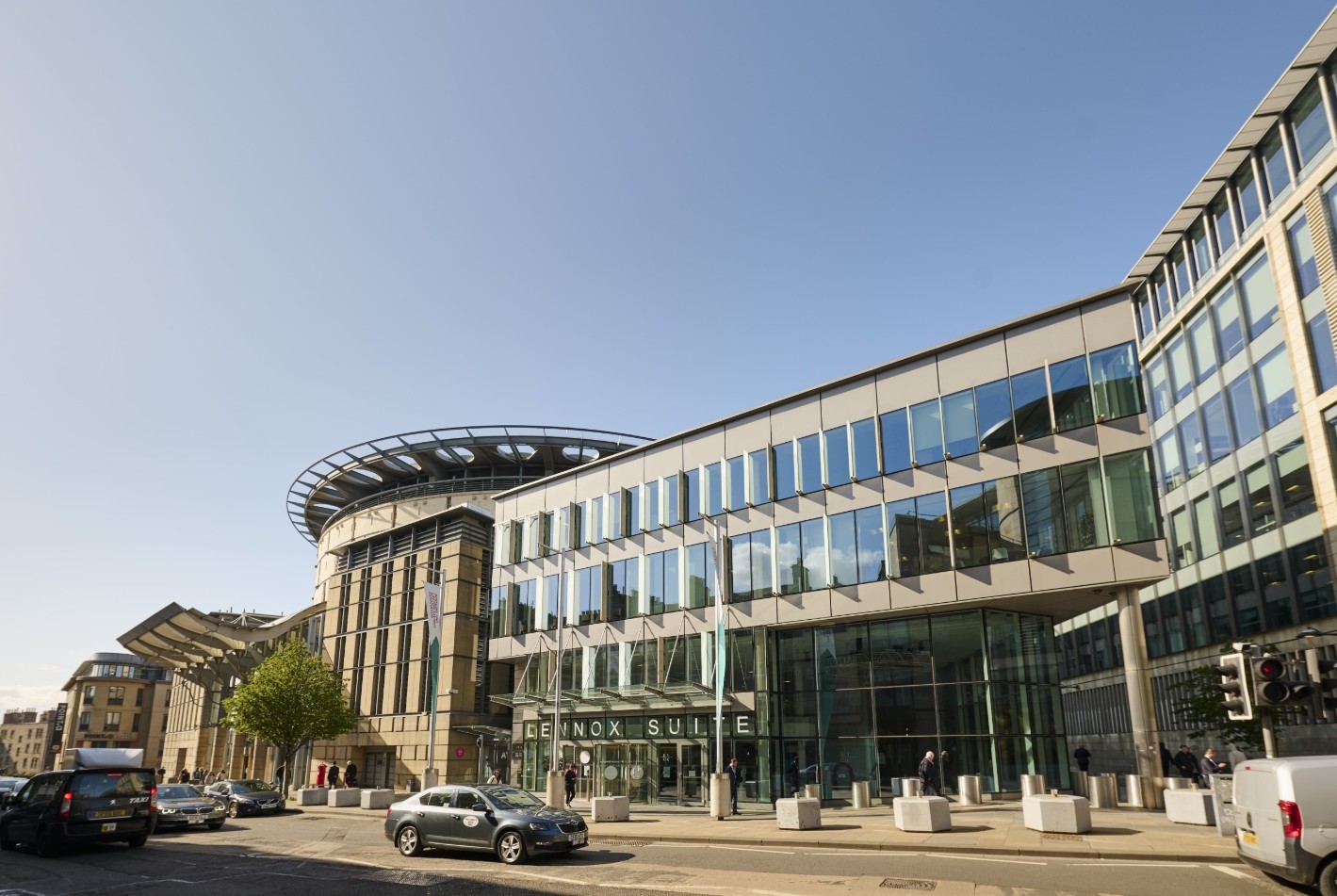
The Edinburgh International Conference Centre (EICC) is a multi-purpose venue in central Edinburgh that regularly hosts events for between 100 and 2,000 people.
When the building was expanded in 2013, EICC invested in water, gas and electricity monitoring systems. This means that, today, sustainability manager Rob Turnbull has over a decade of comparable data he can use to track the company’s energy consumption and carbon emissions.
The good news? In that time, EICC have reduced their Scope 1 and 2 emissions by 60% – and avoided tens of thousands of pounds in energy costs.
“In the 30 years since the EICC first opened, we’ve seen the effect of climate change with warmer weather and heat waves,” explains Rob.
Tools for data collection
In 2013, EICC installed a Building Management System (BMS) designed by Schneider Electric. It controls heating, ventilation and cooling for the entire building.
It gave the engineering team powerful new tools to save energy: They can pre-set the heating and cooling times based on the event schedule for the week ahead and ‘dial in’ from anywhere to make adjustments reactively during events.
Their Automatic Meter Readers (AMR) take half-hourly gas, electricity and water meter readings. Rob uses these to create “energy maps” of the building that visualise how resources are used throughout the day.
The EICC have used this data to understand how different types of events and audience size impact their emissions.
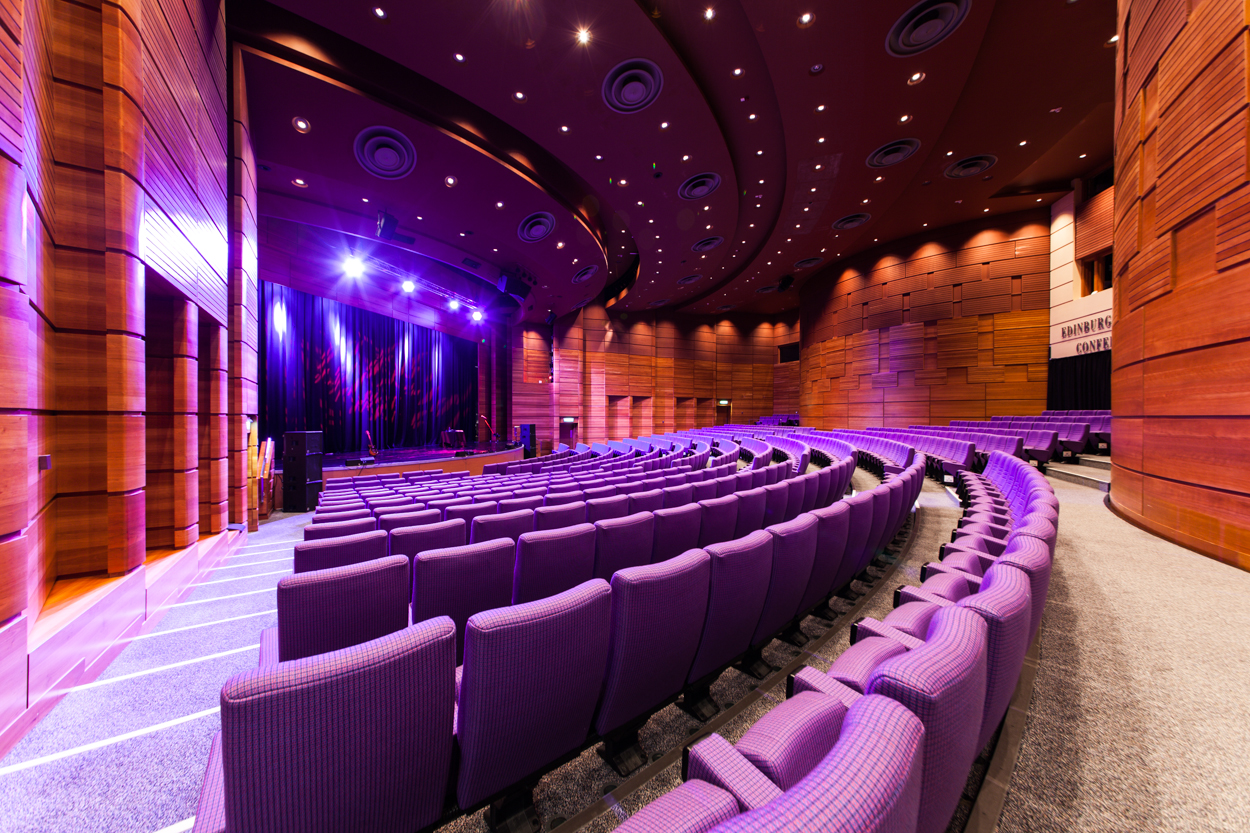
The next phase of action for EICC is installing LEDs in their front of house venues. (Image: EICC)
Bright ideas
Between 2013 and 2023, they saw a 41% drop in their electricity consumption. Much of this was achieved by better management of equipment and simply switching to LED lights.
The engineering team started by replacing lights with LEDs in the back of house – the loading bay, hallways, cupboards and other areas which guests don’t see, but which make up 60% of the building.
People would often forget to turn off lights in these areas, explains Rob, so they linked them to passive infrared (PIR) sensors. Staff can now walk around the back of house without needing to touch a single switch.
Investing in the future
The next phase is installing LEDs in their front of house venues. This is no small task: some rooms have as many as 400 bulbs, which alone could take up to three weeks to replace.
Yet, EICC’s energy maps clearly show that lighting is very energy demanding, says Rob. “Being able to visually demonstrate that is going to help justify the switch to LEDs in our event rooms.”
Since 2013, they have doubled the number of events hosted in the building and cut carbon emissions by 1,602 tonnes – a testament to balancing company growth and net zero targets.
Having made big gains in energy efficiency and reducing consumption, the EICC team are now working closely with sustainable building consultants Arup to investigate how they can transition to renewable heating. Replacing their old gas boiler will be first on the list!