

You might have seen the term pop up when using an online calculator to create a carbon footprint for your organisation. Here’s our breakdown of what you need know.
What are biogenic emissions?
‘Biogenic emissions’ are the greenhouse gases released when biological materials (e.g. plants) are burned as fuel or left to decompose. This includes carbon dioxide, but also methane and nitrous oxide.
They are different to the ‘fossil emissions’ from burning coal and oil and other industrial processes, which add carbon dioxide to the atmosphere that has been locked away for millions of years.
Which fuels emit biogenic emissions?
Biodiesel is one of the most common types. It can be made from many things, though it’s typically a blend of plant oils and fats imported from a maze of global suppliers. Hydrotreated vegetable oil (HVO) is a type of biodiesel, mainly used in lorries.
Bioethanol is another type, made from fast-growing crops like sugar cane. Diesel and petrol bought at forecourts in the UK contain a small blend of biodiesel or bioethanol.
Biomass, like wood chips or pellets, is widely used in rural Scotland to fuel boilers.
Less common is biogas and its purified form, biomethane. It is made from breaking down organic matter like food waste with bacteria and capturing the methane released. In most cases this is simply mixed into the UK gas grid, so you won’t know you’re using it.
What are the supposed benefits?
As with all renewable energy sources, the goal is to reduce greenhouse gas emissions and thereby stop contributing to climate change.
The argument is that burning biofuels doesn’t add more carbon dioxide to the atmosphere overall, because the plants have already absorbed an equal amount from the air when growing. Under natural conditions, this carbon would eventually return to the atmosphere as CO2 when the plants die and decompose.
As a result, UK government carbon accounting rules allow organisations to record CO2 emissions from bioenergy sources as zero.
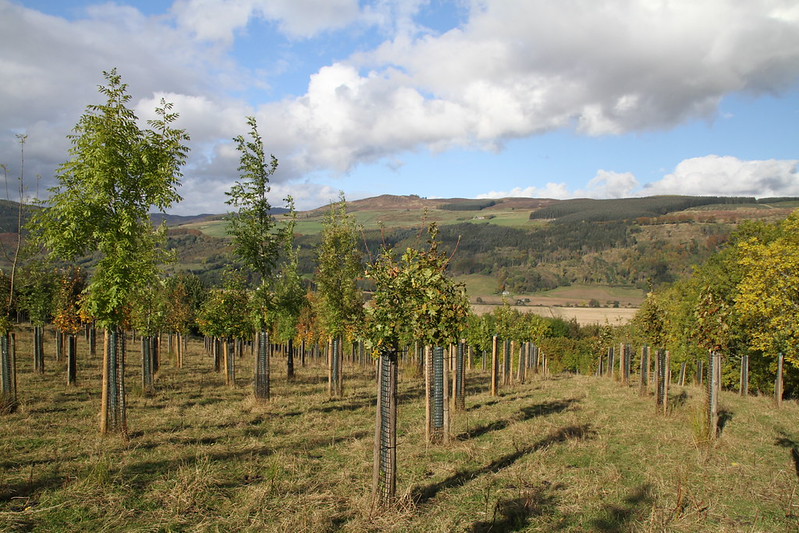
Tree plantation in Glen Affric, Scotland (Image: ScotGov, CC BY 2.0)
Does this mean biofuel is carbon neutral?
The term ‘carbon neutral’ is best avoided, because it encourages people and organisations to rely on buying carbon offsets (which don’t always represent real emission reductions) to reach net zero.
Over a long time, burning biofuel might be near neutral in emissions, but the urgency of the climate crisis requires that renewable energy must succeed in reducing atmospheric levels of carbon dioxide soon enough to prevent catastrophic and potentially irreversible effects of climate change. Time is a luxury we don’t have.
For example, average emissions data published by the UK government show that burning a tonne of wood emits around 1.7 tonnes of CO2 equivalent. It would take about 35 years for a newly planted tree to remove the same carbon from the atmosphere.
Biofuels made from fast-growing energy crops, like sugar cane, maize and soy, absorb carbon more quickly. However, there simply isn’t enough land to grow much of these crops without clearing wild forests and wetlands to make room – which creates even more emissions.
Depending on how it’s made, emissions from biogas are often lower but can be much higher than fossil gas.
Is this just greenwashing?
Yes and no. There are some biofuel companies who state that biogenic emissions have a neutral impact on climate change or the environment, and this is misleading.
On paper it may be true, but because biofuels are sourced from all over the world, often via complex supply chains with little oversight, it’s very difficult to confidently say what the environmental impact is.
Some wood pellets used in the UK’s Drax biomass plant, for example, have come from cutting down old growth forests. Increased demand for soy-based biofuel has led to significant deforestation in South America.
If you source biofuel locally, such as woodchip directly from a tree plantation or biogas from a nearby food waste digester, you might have a clearer picture of its origin.
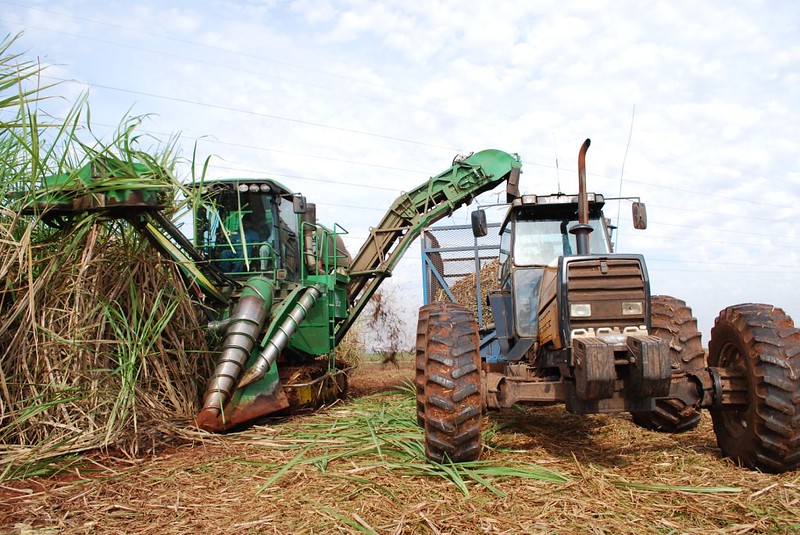
Harvesting sugar cane at the Piricicaba bio-ethanol plant in Brazil (Image: Dept of Energy and Climate Change, CC BY-NC-ND 2.0)
How do I report biogenic emissions?
Firstly, track your consumption of biofuel in the same way as you would do for electricity and petrol.
Previously, biogenic emissions would be reported as ‘out-of-scope’ and did not count toward an organisation’s total emissions tally. This is no longer the case.
In January 2026, the Greenhouse Gas Protocol (which sets industry standards for emissions reporting) updated its guidance, stating that: “Biogenic product CO2 emissions are not zero, and biogenic products cannot be assumed to be carbon neutral.”
Instead, report your biogenic emissions as either Scope 1 (when the fuel is used on-site or in owned vehicles) or Scope 2 (when purchased energy uses biofuel).
In order to claim any kind of ‘netting’ effect, you now need to have much more data on the lifecycle emissions of any biofuel products. This may be easier for locally sourced fuels.
What can I do about this?
Prioritise making changes that reduce your emissions now, not in 35 years.
Like with fossil fuels, try to reduce how much biofuel you consume. This also saves you money right away. If you’re heating a building with biomass, for example, lowering the heating temperature, cutting out draughts and insulating will all help. If it’s blended into your vehicle fuel, focus on travelling fewer miles overall and right-sizing your fleet.
Switch to electric. Depending on your sector, this could be an electric furnace or a battery-powered van, for example. You might not be in a position financially or operationally to do this overnight, but be prepared to switch at some point this decade.