
Ore Valley Housing Association manages 803 properties home to around 2,000 tenants in Cardenden and central Fife.
As a registered social landlord, Ore Valley must meet Scottish Government energy efficiency standards for social housing. All their properties are already well-insulated and have Energy Performance Certificate (EPC) ratings of C or D.
“We’ve done the proverbial low-hanging fruit,” CEO Nick Clark says. "[Now] we're at the tricky stage of the renewables journey.”
Tricky, maybe. But in the last eight years Ore Valley Housing Association has successfully delivered on several big-ticket net zero projects – most notably a community-benefit wind turbine (more on that later).
Crucially, these projects have been as much about supporting the social and economic regeneration of the Cardenden area as reducing carbon emissions.
“If we can see that there's a clear benefit to the community from doing it, we would do it. It might be financial, or it might be emotional because it brings the community together.” says Nick.
Winds of change
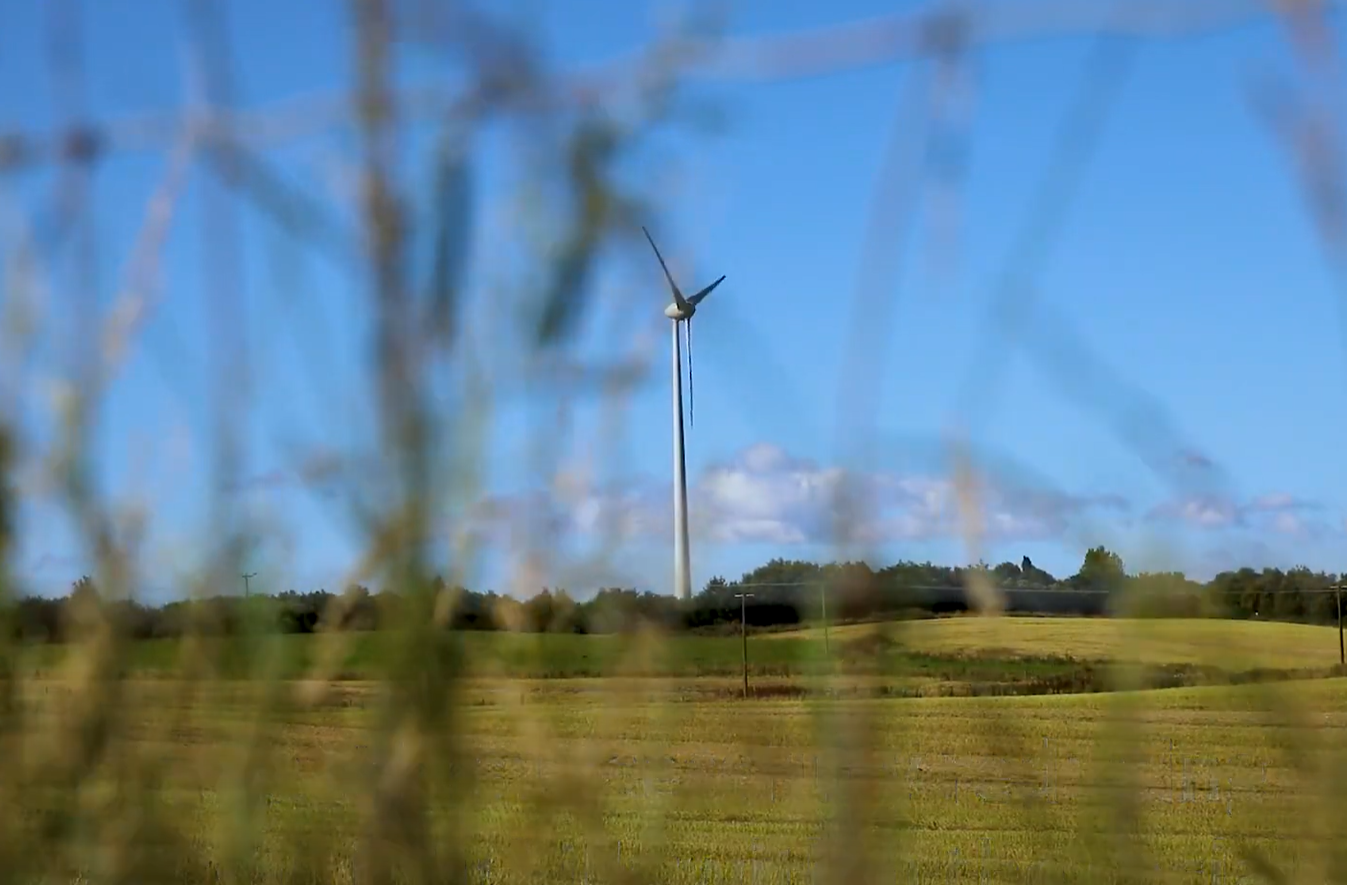
Their first major project was the construction of a 100-metre wind turbine in Cardenden in 2017.
A feasibility study initially identified ten potential locations in Fife, which were quickly narrowed down to two. The final site was agreed after it emerged that digging in one of the two remaining locations would have cut through a high-pressure sewage pipe – you can imagine why this made it an easy decision!
The turbine cost £2.1 million, supported with a £1.7 million loan from the Scottish Government and the European Union.
Since February 2017, it’s generated 13,890 megawatt-hours of clean electricity, saving 2,649 tonnes of CO2. That’s equivalent to the emissions from a plane full of people taking 10 round-trip flights between Edinburgh and New York.
What about the community-benefit part? Ore Valley sells the electricity to the national grid, which brings in around £350,000 in revenue each year. This is reinvested in a community grant scheme and used to improve the housing association’s properties.
Plugging the gaps
Central Fife, a former mining area, has poor and expensive public transport links, which contribute to high levels of poverty and unemployment.
In 2018, the team at Ore Valley noticed there was a lack of public electric vehicle charging points between Dunfermline, Glenrothes, and Kirkcaldy.
Seeing the potential to improve local connectivity and support the adoption of electric cars in Fife, Nick made a successful business case to the Energy Saving Trust, who awarded them a £10,000 grant to install 12 charging points across their Cardenden and Lochgelly sites. They have plans to add more in the future.
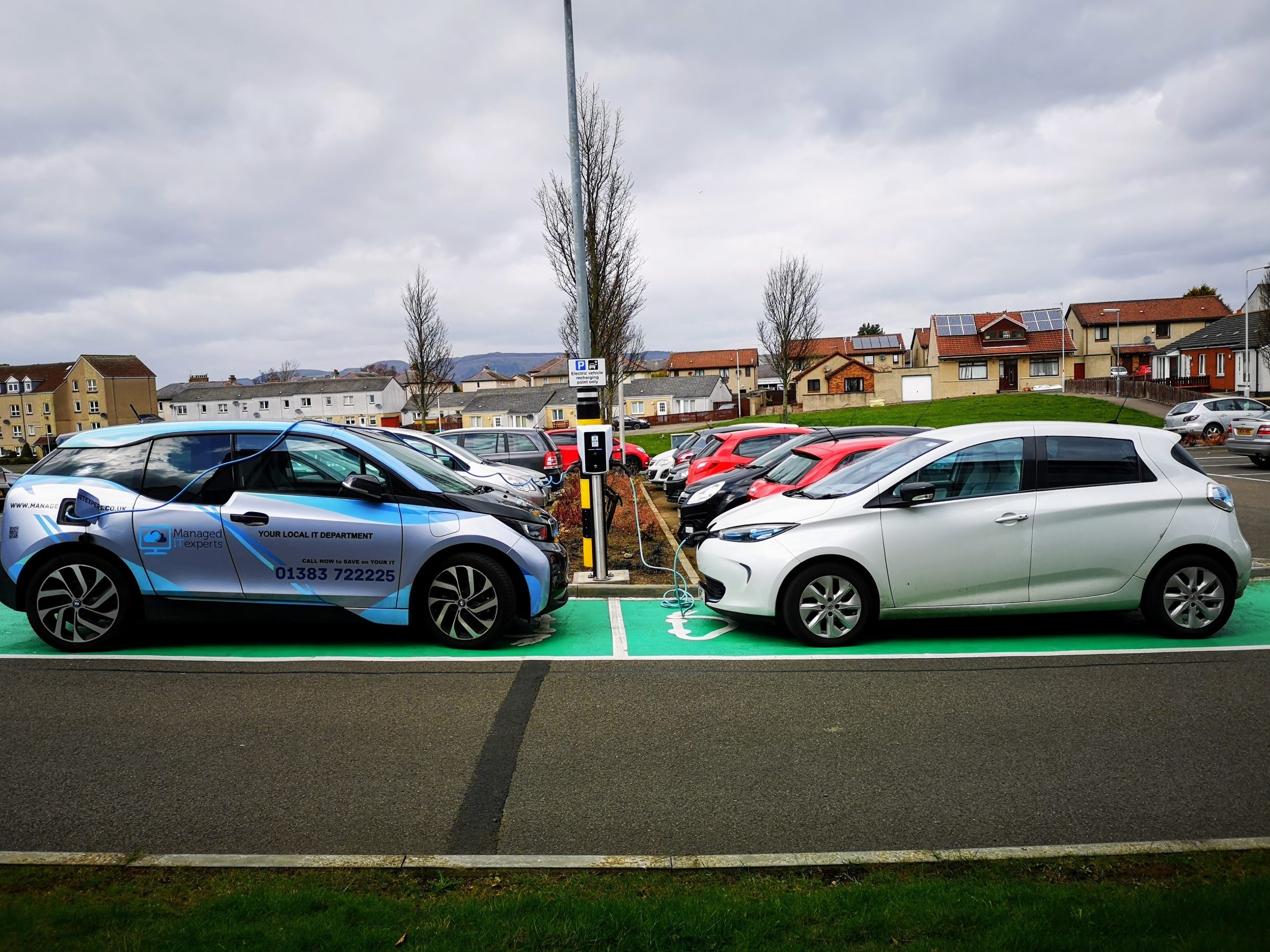
Electric vehicle charging points installed at Ore Valley Housing Association properties (Image: OVHA)
Heat network on the back burner
A long-term project has been to connect the association’s estate to a heat network – a system of underground pipes – that would provide low-carbon heating to more than 1,200 social homes and 10 public buildings in Cardenden.
A few years ago, plans were progressing well but eventually stalled. Ore Valley has recently reignited the idea, building on the research undertaken for the original proposal. They are currently in discussions with Brockwell Energy establish a Cardenden district heating network, powered with spare heat from the nearby Westfield Energy Recovery plant, built on the site of the old colliery.
Because buildings in heat networks typically use less energy compared to those with boilers, it’s expected to reduce heating bills.
They paid for a feasibility study with funds from Community Energy Scotland. “We try to do as much in house as possible. But if we need money to do it, we try and find the money from third party sources first,” Nick explains.
Getting buy-in from the local community is crucial for big green infrastructure projects. This is where housing associations, who have an existing relationship with their tenants, can play an important role.
Nick sums it up: “A lot of the things we do, I think other community organisations could definitely do.”
Top tips from Ore Valley Housing Association
If you’re considering a renewable energy or infrastructure project: